Microwave Mini Cake | Free Recipe


Description
I have been often disappointed by microwave vegan keto cakes, finding they end up both soggy around the edges while also dried out within minutes of leaving the microwave. This little cake stays decently moist and, when "baked" in silicone and flipped out onto a plate, is not soggy around the edges. This cake is mildly sweet and rather delicate, especially crumbly if the xanthan gum is omitted. I find it suitable for both breakfast and as a sweet treat. Simply top accordingly. See the notes about increasing the sweetness if the recipe as written doesn't quite meet the mark for you. Happy eating!
Equipment Required: a microwave and a 4-inch (10cm) silicone cake mold, or 2 silicone muffin cups, or a 6-ounce (180ml) ramekin
Storage: keep for not more than half an hour. The cake will dry out relatively quickly.
Ingredients
Warning: keto "baking" can be very finicky. For best results, weigh all ingredients for which grams are given.
Dry Ingredients:
Wet Ingredients:
Instructions
-
In a small mixing bowl, whisk together the dry ingredients.
-
Add the wet ingredients to the bowl and mix with a small spatula or spoon until no dry patches remain.
-
Transfer the batter to a 4-inch (10cm) silicone cake mold/pan or 2 silicone muffin liners. See note.
-
Microwave the cake for 2 to minutes and the cupcakes for 1 minute 45 seconds. If using 2 muffin liners, set them either side of the center of the microwave plate. See note.
-
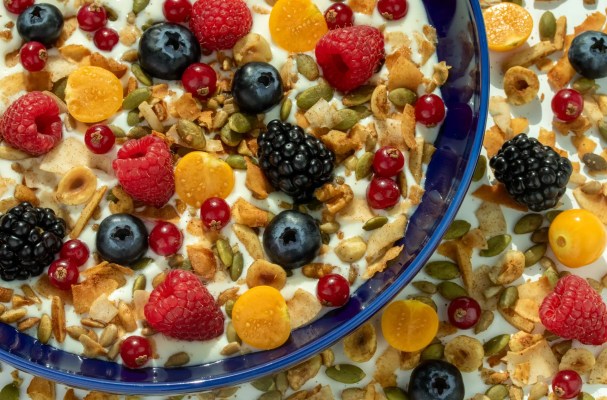
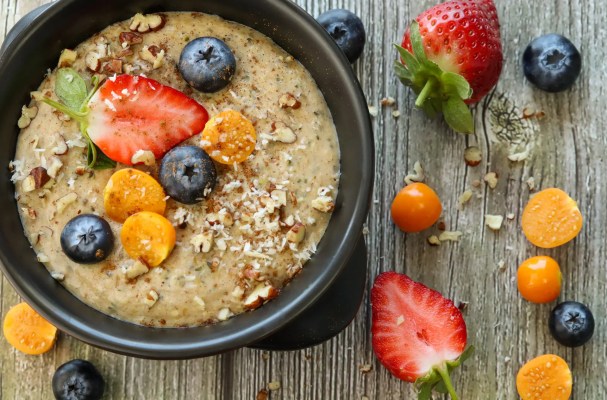
Flip the cake/cupcakes out onto a plate, allow to cool briefly, and enjoy soon after making. Top as desired. In the photo, I'm having the cake topped with soy yogurt, berries, chopped walnuts, and ChocZero honey.
Used to Make This Recipe

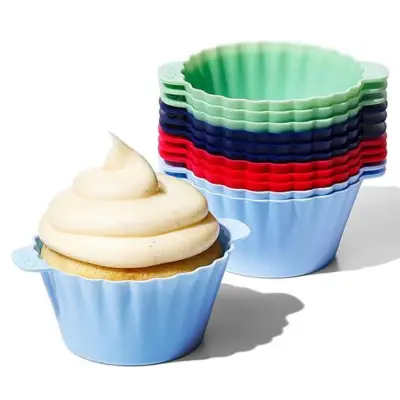
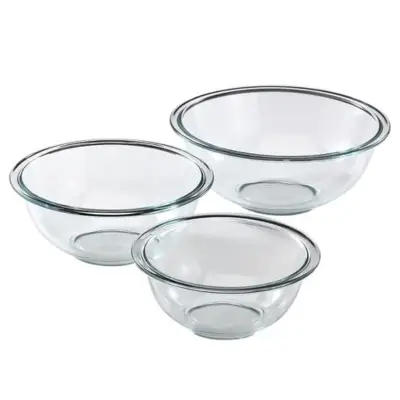

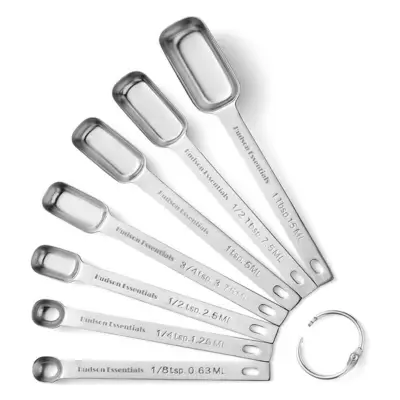


This website uses "geni.us" links. Genius links direct you to products on your regional marketplace. If a product is not available in your part of the world, a similar product or a search for similar products will be displayed instead. You can see all the kitchen equipment and gadgets I use or recommend here.
Nutrition Facts
Servings 1
Serving Size 1 Small Cake or 2 Cupcakes
- Amount Per Serving
- Calories 245kcal
- % Daily Value *
- Total Fat 19g30%
- Total Carbohydrate 22g8%
- Dietary Fiber 6g24%
- Protein 8g16%
- Allulose 12g
- Net Carbs 4g
* Total Carbs - (Fiber + Allulose + Sugar Alcohols) = Net Carbs
Notes
- If you want to double, triple, etc. this recipe, microwave them in single serving batches. I've found that microwave baking doesn't turn out successfully when there are too many items in the microwave.
- I have made this cake successfully with allulose and erythitol. I think it would also work with pure monk fruit or stevia (powder or liquid). For reference, 1 tablespoon equals 3 teaspoons. This cake is only mildly sweet. I did make it once with additional allulose and an area of it burned. If I wanted it sweeter, I'd opt to add a few stevia drops.
- The xanthan gum can be omitted, but the resulting cake will be quite crumbly without it. If you want a sturdier cake, you can also increase the xanthan gum slightly. I wouldn't sugegst increasing it beyond ⅛ teaspoon.
- If you don't have any silicone options available, the cake can be made in a 6-ounce (180ml) ramekin. However, even if oiled, you will not be able to flip the cake out onto a plate without it breaking apart. You can eat it in the ramekin, but the bottom and sides might be a little soggy from the trapped moisture. Or, you could line the ramekin with parchment paper to prevent sticking, but this is rather tedious task unless you're able to buy liners (I haven't found any online).
- I have not tried this with another milk, but I expect it would work fine. Soy and pea milk do tend to be a bit thicker than other milks, so if anything, you may wish to reduce the milk slightly. The soy/pea milk also adds a little protein.
- My microwave is not especially powerful. You may need to adjust the "baking" times to suit your microwave.